Cuban Family Reunification Parole Program in the U.S.
The Cuban Family Reunification Parole program was terminated by DHS. Learn what the program was and which family-based options Cuban families have now.
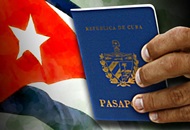
Initiated in 2007 and terminated by DHS on 15 December 2025, the Cuban Family Reunification Parole (CFRP) Program in the U.S. enabled certain citizens and permanent residents of the U.S. to apply for parole for their family members who live in Cuba. If issued the parole, these members of their families may be able to enter the U.S. without a visa. After being in the country, CFRP Program applicants can ask the authorities for a work permit while waiting to apply for the permanent residence. Our immigration lawyer in USA can offer information on this program.
Eligibility criteria for the CFRP Program in the U.S.
To become eligible for the CFRP Program in the U.S., the applicant must have an approved special Form for a Cuban family member. A Miami immigration lawyer can provide the exact details on where to find this certain Form. Besides, the following criteria have to be met:
• The petitioner has to be a U.S. citizen or permanent resident;
• The petitioner must have received a written invitation to apply for the CFRP Program from the U.S. Department of State’s National Visa Center (NVC);
• An immigrant visa is not yet available to the beneficiary (the Cuban relative);
• The U.S. petitioner’s relative has to be a Cuban citizen residing in Cuba.
Feel free to inquire with our immigration lawyer in USA for details.
Procedure of the CFRP Program in the U.S.
The procedure of the CFRP Program in the U.S. consists of the following stages:
• For the beginning, the petitioner files a special Form on behalf of the beneficiary with the U.S. Citizenship and Immigration Services (USCIS). If the USCIS approves the form, however they do not issue an immigrant visa at once, then the beneficiary can apply for parole with the CFRP;
• The Department of State’s NVC mails afterwards a written notice to the petitioner letting him or her know about the Cuban national’s eligibility to take part in the CFRP Program in the U.S. and the consequent procedures for applying for parole. An immigration attorney in Miami can provide more details on this matter;
• The Cuban relative was interviewed at the U.S. Embassy in Havana (the U.S. Interests Section until 2015). If the parole is granted, the necessary travel documents were issued by the Embassy so that the applicant can travel safely into the U.S. to reunite with his or her family members.
The USCIS documentation and CFRP Program in the U.S. can prove quite complex to access. If you or a family member were affected by the termination of the Cuban Family Reunification Parole Program in the U.S., please contact our immigration lawyer in the US .
Responsible attorney: Sandra I. Murado, Esq., Florida Bar No. 55549 · Last updated 29 October 2026Sandra I. Murado is President and Managing Attorney of Law Offices of Sandra I. Murado, P.A. in Coral Gables, Florida, and has been a member of The Florida Bar since 1995.